GUIDES
Natural materials for a calm home

Calm interiors are rarely about emptiness. They are about materials that feel honest and get better with use.
Why natural materials feel calm
Timber, stone, wool and linen have subtle variation — grain, veining, weave — that our eyes read as restful. They also age visibly but gracefully, which gives a home a sense of time rather than newness.
A simple palette to start with
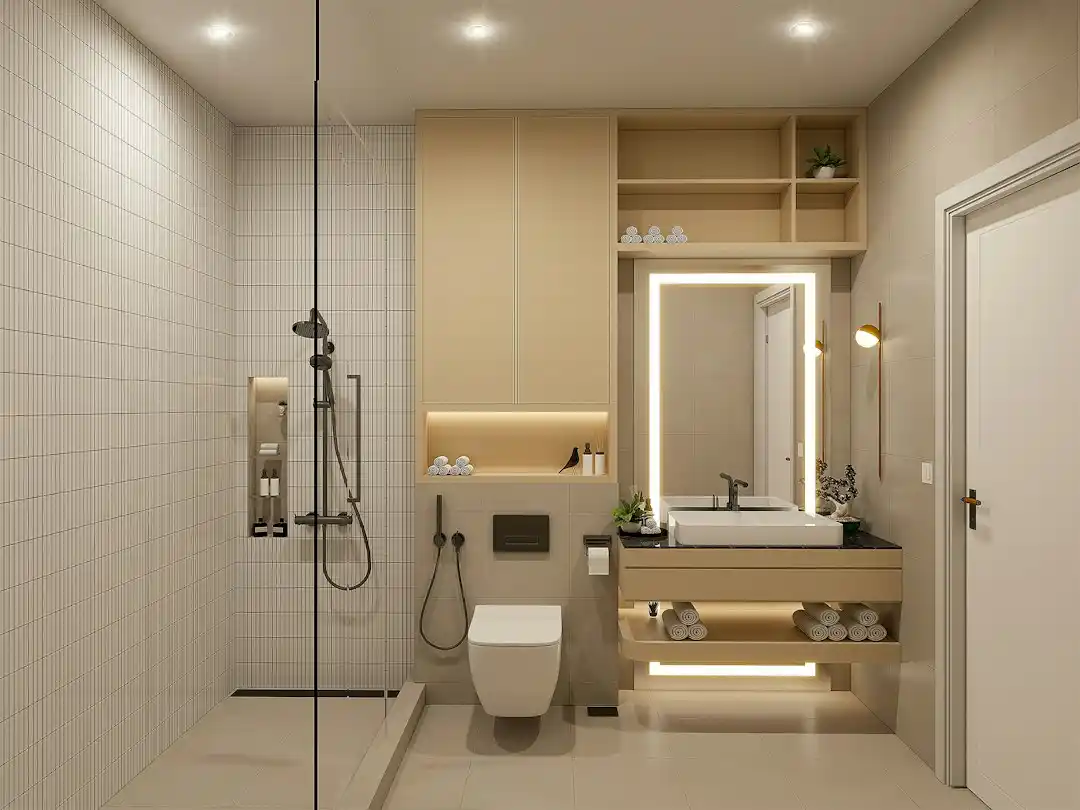
- Timber for warmth: oak and walnut are classics; choose a finish that shows the grain.
- Stone for weight and cool contrast: honed marble or limestone for surfaces that are touched, softer.
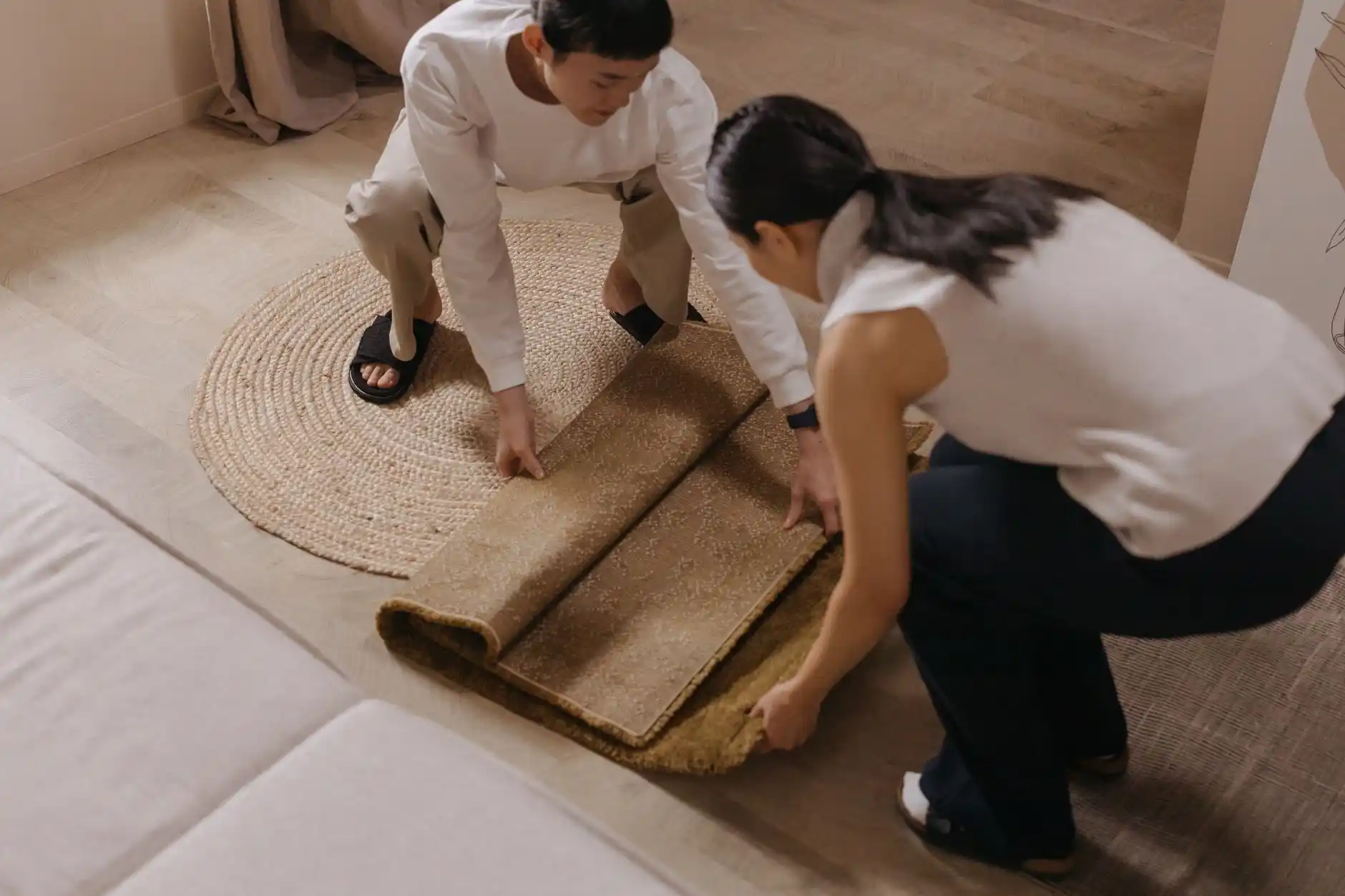
- Wool and linen for texture: rugs, upholstery and curtains carry most of a room’s comfort.
- Leather for a patina that improves with use.
Keep it to three or four
A calm room rarely has more than three or four main materials. Repeat them across rooms so the home reads as one space, as in our Air & timber project.
Choose for how it will age
Ask how a material will look in ten years. Honed stone patinas; polished stone shows every mark. Oiled timber can be refreshed; heavily lacquered timber cannot. A sample in your own light, at different times of day, tells you more than any catalogue.
The projects here put this into practice: materials chosen to belong together and to last.